Wondering why one part of Austin feels like a walkable city break while another feels centered on trails, patios, and hill views? That difference is real, and it can shape everything from your morning routine to how often you drive, where you spend weekends, and what kind of home may fit your goals. If you are trying to narrow your search or make sense of Austin’s many pockets, this guide will help you compare neighborhood styles in a practical way. Let’s dive in.
Austin feels different by area
Austin is not defined by one single neighborhood pattern. The city is better understood as a set of overlapping lifestyle clusters, with planning areas, local historic districts, entertainment zones, and park access all shaping how daily life feels from place to place.
That matters when you are buying, selling, or relocating. Two homes with similar price points can offer very different routines depending on whether you want a car-light lifestyle, older architecture, quick trail access, or a quieter setting with more space.
Downtown Austin: urban and walkable
If you want daily convenience and activity close at hand, downtown is Austin’s clearest urban-core lifestyle. Visit Austin highlights the Congress Avenue corridor for live music, nightlife, historic theaters, and restaurants, making it one of the city’s strongest choices for people who value walkability and an active social scene.
This part of the city is also closely tied to condo and apartment living. That housing pattern fits the mixed-use, car-light feel of the area, where walking, biking, and transit can play a larger role in your day.
Entertainment districts shape the rhythm
Rainey Street has a distinctive feel because restored bungalows now house bars and restaurants. The result is a place that looks more residential in form but functions as an entertainment district in day-to-day life.
The Warehouse District and Red River also bring their own identity. The Warehouse District is known for nightlife, dancing, and live music, while Red River is an official Austin Cultural District and one of the city’s key music corridors.
Mobility matters downtown
Core Austin living often works best for people who want options beyond driving everywhere. A good example is the Central Library area, which connects directly to the Butler Trail, Shoal Creek Trail, and the Lance Armstrong Bikeway.
Austin has also expanded its trail network, adding 37 miles of new urban trails since 2014. Alongside ongoing transit expansion efforts, that helps explain why central neighborhoods can feel more connected and flexible for day-to-day movement.
Historic Austin: character and older homes
If you picture Austin as tree-lined streets, older homes, and a stronger sense of neighborhood identity, historic inner Austin may feel like the best fit. Areas in and around Hyde Park, North Loop, Clarksville, Old West Austin, Tarrytown, and the UT area each offer a different version of that experience.
These neighborhoods are often appealing if you care about architecture, mature trees, and places with a longer story. They can also be especially useful to compare if you want charm but do not want the pace of downtown.
Hyde Park and North Loop
Hyde Park is known for oak-shaded residential streets, neighborhood restaurants, and one of Austin’s largest concentrations of historic homes. It often appeals to buyers who want an established setting and a recognizable neighborhood feel.
North Loop has a different energy. Vintage shopping, records, and mid-century furniture give it a more eclectic retail character than the downtown core.
Clarksville, Old West Austin, and Tarrytown
Clarksville and Old West Austin are among Austin’s most historically significant west-central neighborhoods. Clarksville is a Freedom Colony established after the Civil War, and Old West Austin is one of the city’s oldest neighborhoods.
Tarrytown tends to feel quieter and more scenic. Lake Austin views, Laguna Gloria, Mozart’s Coffee Roasters, and Mount Bonnell help shape a routine that feels more relaxed and destination-oriented.
UT area culture and access
The UT area adds a campus-adjacent layer that feels more institutional and cultural. The LBJ Presidential Library, the Harry Ransom Center, and the Blanton Museum of Art all contribute to the area’s identity.
For some buyers, that means a nice mix of central access and cultural amenities. For others, it can offer a more connected lifestyle without needing to be in the entertainment core.
Historic districts can affect ownership
If you are considering an older home, style is only part of the story. The City of Austin has eight local historic districts, and the city says district status helps preserve older areas and can change design-review rules for rehabilitation.
That is important if you are thinking about updates, additions, or restoration work. A neighborhood’s historic status can influence not just appearance, but also what ownership and renovation may involve over time.
East Austin: culture and newer urban form
East Austin offers one of the city’s clearest blends of local culture, food, creativity, and growth. Visit Austin describes it as one of Austin’s fastest-evolving areas and highlights global food, craft cocktails, live music, and local culture as defining parts of the experience.
This area can appeal to buyers who want a more urban lifestyle but with a different flavor than downtown. It also tends to offer a wider mix of older streets, newer infill, and mixed-use development.
Growth meets established areas
City District 1 describes East Austin as a mix of established neighborhoods, historic corridors, open parkland, and rapidly growing communities. Landmarks include Walter E. Long Metropolitan Park, Huston-Tillotson University, and the African American Cultural Heritage District.
District 3 also connects east and south neighborhoods such as Holly, Riverside, Montopolis, Govalle, and St. Elmo with legacy businesses, entertainment venues, parks, and trails. That helps explain why East Austin can feel layered rather than uniform.
Housing options vary more here
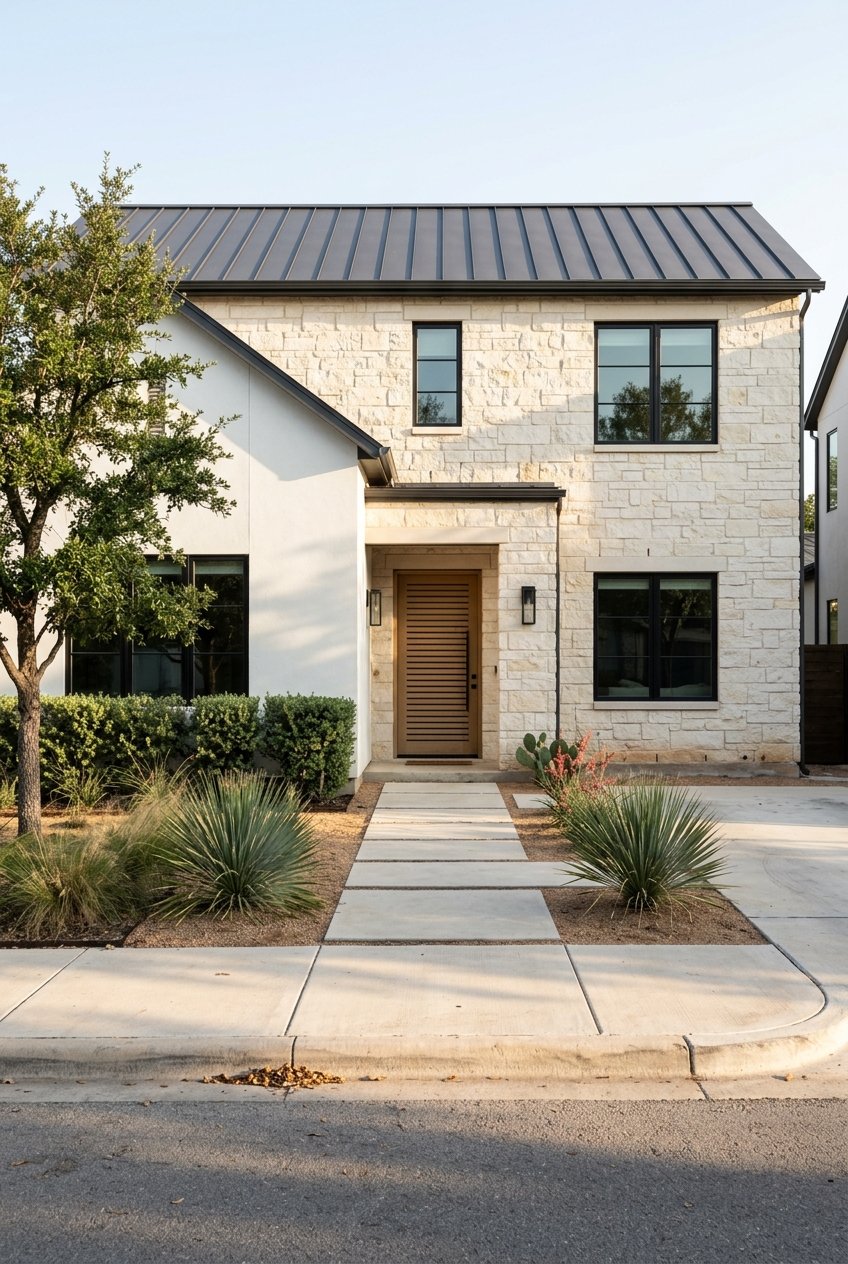
From a housing perspective, East Austin often includes newer infill, townhomes, condos, and mixed-use options alongside some older single-family streets. That reflects Austin’s broader housing-growth pattern, which has included apartments, single-family homes, townhomes, and plexes.
If you are relocating, this can be one of the more flexible parts of the city to explore. You may find different home styles, different block patterns, and different daily routines within a relatively short distance.
Mueller as a planned example
Mueller is a helpful example of Austin’s newer-urban style. Located about 3 miles from downtown and 2 miles from UT, it was planned as a place to live, work, shop, stay, eat, exercise, and learn.
That kind of design can be attractive if you want convenience and a more intentional neighborhood layout. It offers a different experience from both historic central Austin and the entertainment-heavy downtown core.
South and West Austin: space and outdoors
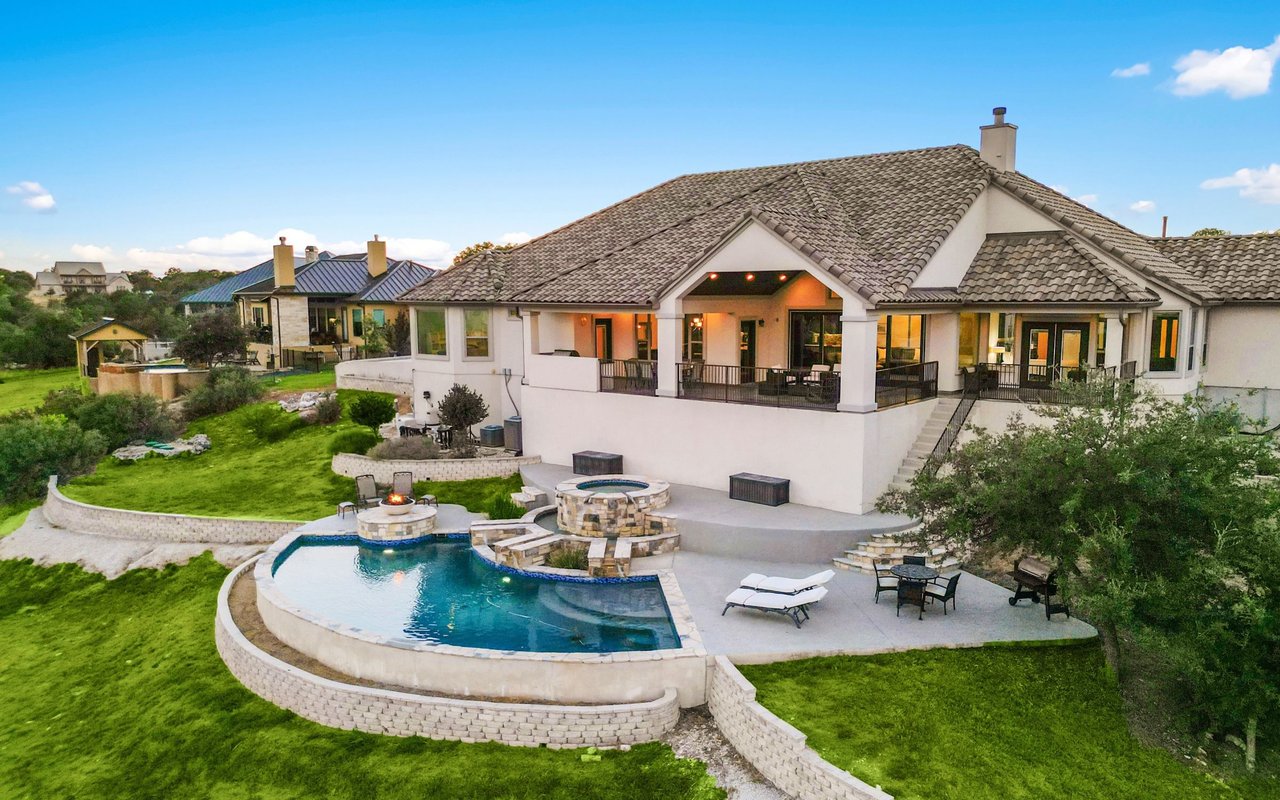
If your ideal Austin routine includes patios, green space, and easier access to nature, South and West Austin may stand out. These areas are less about a dense urban grid and more about outdoor recreation, scenic surroundings, and a quieter pace in many pockets.
This cluster is also useful if you are comparing how much daily life depends on driving. In many cases, errands and outings here may feel more destination-based than in downtown or central walkable areas.
South Congress and South Austin energy
South Congress is one of Austin’s most recognizable strolling corridors. More broadly, South Austin is often associated with barbecue, breweries, and outdoor space playing a bigger role in daily life.
That can make the area appealing if you want an active neighborhood atmosphere without the same feel as downtown. It often sits in a middle ground between walkable pockets and a more spread-out routine.
Zilker and Southwest recreation
District 8 marks the point where the Texas Hill Country meets Southwest Austin neighborhoods. It includes Zilker Park, Barton Springs Pool, the Barton Creek Greenbelt, the Lady Bird Johnson Wildflower Center, and established communities such as Oak Hill and Circle C Ranch.
Zilker Park alone functions as a major recreational hub, with Barton Springs Pool, the Zilker Botanical Garden, the Austin Nature and Science Center, the Ann and Roy Butler Hike-and-Bike Trail, and major events like Austin City Limits Music Festival and the Trail of Lights.
West Austin and hill-country pace
District 10 includes neighborhoods such as Tarrytown, Northwest Hills, Old Enfield, Great Hills, and Jester. The city emphasizes the many parks and greenspaces in these areas, mixed among houses and multifamily properties.
Visit Austin’s West Austin guide also points to rolling hills, Hill Country views, art galleries, independent bookshops, quieter dining, and outdoor activities. For many buyers, that adds up to a calmer pace and a stronger connection to landscape.
How to match style to your routine
The best Austin neighborhood for you usually comes down to how you want to live, not just what you want to buy. A beautiful home can still feel wrong if the surrounding routine does not fit your priorities.
Here is a simple way to think about it:
- Choose downtown or nearby entertainment districts if you want walkability, nightlife, and easy access to restaurants and music.
- Choose historic inner Austin if you want older homes, tree canopy, and a strong sense of neighborhood character.
- Choose East Austin or Mueller if you want a mix of culture, growth, and varied housing forms.
- Choose South or West Austin if parks, trails, scenic settings, and a quieter pace matter most.
You may also want to think about how often you want to drive, what kind of home style fits your plans, and whether you prefer a neighborhood that feels established, evolving, or highly active.
Why this matters when buying or selling
Neighborhood style affects more than lifestyle. It can also influence how buyers compare homes, what they expect from the area, and which features feel most valuable in context.
For buyers, that means narrowing your search based on daily habits can save time and reduce decision fatigue. For sellers, understanding your neighborhood’s style can help shape pricing, marketing, and how your home is positioned to the right audience.
Austin is a city of distinct pockets, and each one tells a different story. If you want help comparing how those stories line up with your goals, Chan Simms can help you evaluate Austin neighborhoods with a clear, personalized strategy.
FAQs
Which Austin neighborhoods feel most walkable?
- Downtown, Rainey, the Warehouse District, Red River, South Congress, and parts of Central and UT-adjacent Austin are among the strongest fits for walkability, with Hyde Park and North Loop also offering strong inner-neighborhood appeal.
Which Austin areas feel most outdoorsy?
- Southwest Austin and West Austin, especially around Zilker Park, Barton Springs, the Barton Creek Greenbelt, and Lady Bird Lake, have the clearest nature-and-recreation focus.
Which Austin neighborhoods have the strongest food and culture scene?
- East Austin, Red River, downtown, and South Congress are leading choices for food, music, and cultural activity, while the UT area adds museums and West Austin adds galleries and independent retail.
What should Austin buyers know about historic neighborhoods?
- In Austin’s local historic districts, preservation rules can affect design review and rehabilitation, so it is smart to understand those requirements before planning updates to an older home.
Does transportation shape Austin neighborhood lifestyle?
- Yes. Austin’s growing trail system and ongoing transit expansion efforts help explain why some central areas support more walking, biking, and car-light routines than others.