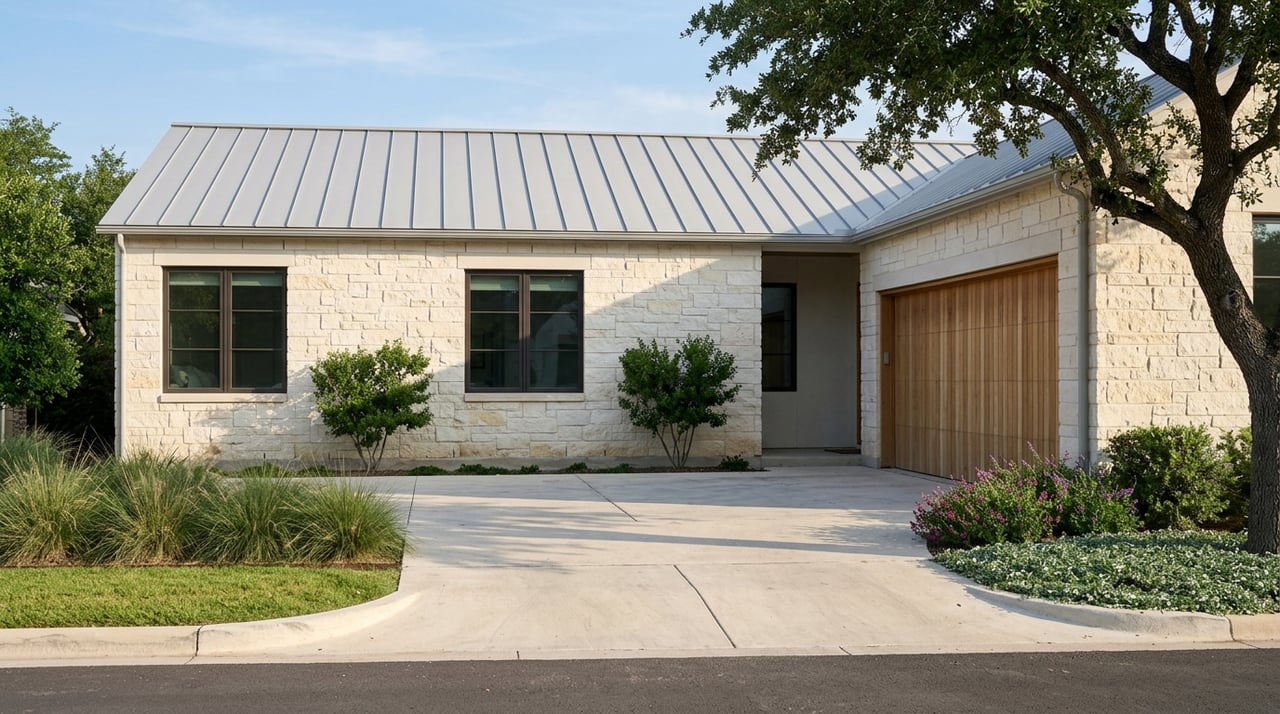
If your Austin home enters the market at the wrong price or with a rushed presentation, you can lose momentum before the right buyer ever walks through the door. That is frustrating, especially when you are trying to balance timing, value, and the many moving parts of a sale. The good news is that a smart launch strategy can help you compete more effectively in today’s market. Here is how to price and present your home with more confidence in Austin.
Start With Austin-Specific Market Context
Austin is not one single market, and broad headlines can be misleading when you are setting a list price. According to Unlock MLS data released April 14, 2026, March 2026 median sold prices were $550,000 in the city of Austin and $499,000 in Travis County, while the Austin-Round Rock-San Marcos metro posted $426,220.
Those differences matter because buyers compare your home to the options they can actually choose from in your area and price range. The same report shows 5.4 months of inventory in the city of Austin, 5.9 months in Travis County, and a 93.8% close-to-list ratio in Austin city limits. In plain terms, buyers have choices, and many are negotiating.
That does not mean sellers cannot do well. It means your price has to match what the market is supporting right now, not what the market supported at its peak. In a recalibrating market, strategy usually beats optimism.
Price Your Home From Day One
The first list price is one of the most important decisions you will make. Unlock MLS highlights that pricing correctly from the start can help a home sell faster, especially when sellers are still anchored to earlier, stronger market conditions.
A strong pricing strategy usually starts with three things:
- Recent sold homes that closely match yours
- Current active listings you will compete against
- The local close-to-list ratio in your specific area and price band
From there, you need to adjust for what makes your home different. Condition, updates, lot size, layout, views, and micro-location all affect how buyers perceive value. Two homes in the same ZIP code can still attract very different pricing responses.
Why Overpricing Can Cost You
It is natural to want to leave room for negotiation, but an inflated price can backfire. When buyers already have meaningful inventory to choose from, they often skip homes that feel overpriced compared to better-presented or better-positioned alternatives.
The risk is not just fewer showings. A stale listing can lead buyers to wonder what they are missing, even if the home itself is solid. Often, the strongest interest comes in the first days or weeks, so it helps to launch with a price that feels supported, not aspirational.
Use Presentation To Support Price
Price and presentation work together. If you want buyers to understand your asking price, the home has to show well online and in person from the beginning.
This is where details matter. According to the 2025 NAR Profile of Home Staging, 83% of buyers’ agents said staging made it easier for buyers to envision a property as their future home. Nearly half said staging reduced time on market, and 29% said it increased the dollar value offered by 1% to 10%.
That does not mean every Austin listing needs a full designer overhaul. It does mean that a well-prepared home often creates a stronger first impression, helps buyers connect emotionally, and gives your price more credibility.
Focus On The Prep That Buyers Notice
If you are deciding where to spend time and money before listing, start with the basics that have the biggest visual impact. NAR’s staging data shows the most common seller prep recommendations were decluttering, deep cleaning, and improving curb appeal.
These steps sound simple, but they are powerful because they affect how spacious, maintained, and move-in ready your home feels. In online photos, small distractions can look bigger than they do in person. In showings, clutter and unfinished details can pull attention away from the home’s strengths.
A practical pre-listing checklist often includes:
- Decluttering closets, counters, and storage areas
- Cleaning the entire home thoroughly
- Refreshing landscaping and front entry areas
- Touching up paint where wear is obvious
- Repairing visible maintenance issues
- Making key living spaces feel open and well lit
Stage The Rooms That Matter Most
If you are staging selectively, prioritize the rooms buyers tend to focus on first. The 2025 NAR staging profile found that the living room, primary bedroom, dining room, and kitchen were the most commonly staged spaces.
That lines up with how many buyers shop. They often form their first impression based on the main gathering areas and the spaces that signal comfort and function. If those rooms feel calm, clean, and intentional, the rest of the home usually benefits.
Staging can be full, partial, or simply strategic editing with the furniture you already have. The goal is not to make your home look generic. The goal is to help buyers see scale, flow, and everyday livability.
Get Your Marketing Assets Ready Before Launch
Your listing does not get a second first impression online. Buyers’ agents ranked listing photos, traditional staging, videos, and virtual tours as highly important tools, which means launch-day materials need to be ready before the home goes live.
This matters in Austin, where many buyers begin their search online and narrow options quickly. If your photos are dark, incomplete, or taken before the home is fully prepared, you may lose attention before a showing is ever scheduled.
A polished launch usually means:
- Professional-quality listing photos
- A clean, fully prepared home before photography
- Video or virtual tour assets when appropriate
- A pricing strategy that matches the presentation
When pricing and presentation align, buyers are more likely to see the home as a serious, well-positioned option.
Skip Most Major Remodels Before Listing
Many sellers wonder whether they should remodel before listing to chase a higher price. In most cases, broad, taste-driven renovations are not the strongest move unless there is a clear condition issue that needs attention.
NAR’s 2025 Remodeling Impact report suggests that smaller, visible improvements often make more resale sense than major overhauls. Projects like a new steel front door, closet renovation, and a new fiberglass front door showed strong cost recovery, while Realtors often recommended painting and roof repair before listing.
That points to a simple rule: fix what looks worn, address obvious issues, and improve first impressions. Large remodels can be expensive, time-consuming, and too specific to your taste. Buyers may still want something different.
Treat Disclosures As Part Of Presentation
A smooth sale is not only about how your home looks. It is also about how prepared you are once buyers start asking questions.
For previously occupied single-family homes in Texas, sellers must use the TREC Seller’s Disclosure Notice for contracts on or after September 1, 2023. If your home was built before 1978, lead-based paint disclosure rules also apply before the contract is signed, including disclosure of known hazards, delivery of the lead-hazard pamphlet, and a 10-day opportunity for the buyer to conduct an inspection or risk assessment.
It helps to gather these documents before your home is publicly marketed. That way, your first week on the market can focus on buyer interest, pricing feedback, and showing activity instead of avoidable paperwork delays. A well-organized file can create confidence just like a well-prepared living room can.
Build A Launch Plan, Not Just A Listing
In a market where buyers have options, the strongest sellers tend to think beyond simply putting a home online. They build a launch plan that connects pricing, prep, media, and paperwork from the start.
A thoughtful Austin listing strategy usually includes:
- Reviewing recent sold comps and active competition
- Setting a price that fits your exact submarket and condition
- Completing high-impact prep like cleaning, decluttering, and curb appeal
- Staging key spaces to improve flow and buyer perception
- Capturing strong photos and other marketing assets before launch
- Organizing disclosures and property details early
This kind of preparation helps you make the most of early listing momentum. It also puts you in a better position to negotiate when serious buyers start comparing your home to everything else on the market.
Why Local Strategy Matters In Austin
Austin pricing is hyperlocal, and presentation is never one-size-fits-all. A condo near the urban core, a midcentury ranch in an established neighborhood, and a larger home in the broader Travis County market may all need different pricing logic and a different prep plan.
That is why seller strategy works best when it combines data with judgment. You need to know what the numbers say, but you also need to understand how buyers are likely to react to condition, style, updates, and competition. The best results usually come from balancing both.
If you are preparing to sell, a broker-led plan can help you focus your budget, avoid over-improving, and launch with a stronger case for value. To talk through pricing, presentation, and next steps for your Austin home, connect with Chan Simms.
FAQs
Is staging worth it for an Austin home sale?
- Often, yes. NAR’s 2025 staging data found that staging helped buyers visualize the home, and many agents reported reduced time on market or stronger offers.
How should you price a home in Austin, Texas?
- The best starting point is recent sold comps, current competing listings, and the local close-to-list ratio, then adjusting for condition, updates, lot, and micro-location.
Should you remodel before listing your Austin home?
- Usually, sellers benefit more from smaller visible improvements and repairs than from large remodels, unless there is a clear condition issue that needs to be addressed.
What presentation details matter most when selling an Austin home online?
- Listing photos are especially important, and buyers’ agents also place high importance on staging, videos, and virtual tours.
What disclosures do Texas home sellers need before going under contract?
- For previously occupied single-family homes, Texas sellers must use the TREC Seller’s Disclosure Notice, and homes built before 1978 also require lead-based paint disclosures before the contract is signed.