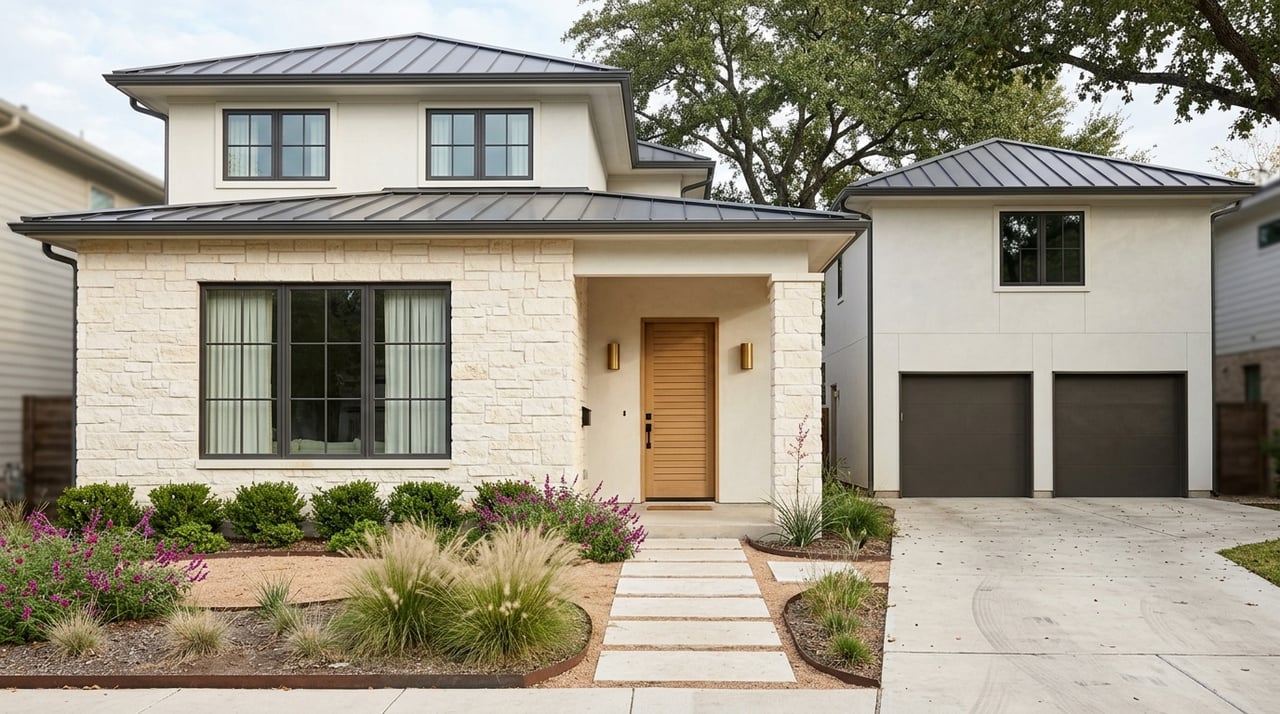
If you are thinking about buying a rental in Denton, it is easy to focus on the upside first. A major university presence, a younger population, and a renter-heavy housing mix can make the city look like a simple win for investors. The real opportunity is there, but the best results usually come from careful numbers, realistic expectations, and a plan that fits how Denton actually works. Let’s dive in.
Why Denton draws renters
Denton has several demand drivers working at once, which is one reason many buyers look at it for rental property. The city has 165,986 residents, a median age of 30.9, and 59,003 households. It also has relatively high mobility, with 25.5% of residents moving in the prior year.
That movement matters because it often supports steady leasing activity. In a market where more people are changing homes, you may see more consistent rental demand, but you should also expect turnover to be part of the business. That means your rental strategy needs to account for both occupancy and re-leasing.
Universities are a major part of the story. UNT’s Denton flagship has nearly 47,000 students, and TWU’s Denton campus is part of a system with 16,338 total students. Denton also has a broad employer base that includes Denton ISD, Peterbilt, Denton County, the City of Denton, Texas Health Presbyterian Hospital Denton, and Medical City Denton.
That mix gives Denton more than one source of renter demand. Students, faculty, healthcare workers, public employees, and other local workers all contribute to the market. For you as a buyer, that can be helpful because the city is not tied to a single employer or one narrow renter profile.
Denton has a renter-friendly housing mix
Denton’s housing stock includes both single-family and multi-family options. According to Denton EDP, the housing mix is 58% single-family and 42% multi-family. That gives small investors more than one path depending on budget, property condition, and tenant plan.
The citywide occupied housing mix also leans toward renters. Denton has 29,686 owner-occupied units and 34,344 renter-occupied units out of 64,030 occupied units. In simple terms, renters make up a slight majority of occupied housing.
That does not guarantee a good investment on every block or every property type. It does mean that owning a rental is a normal part of the local housing landscape rather than an unusual strategy. If you are comparing North Texas cities, that is a meaningful point in Denton’s favor.
What property types may fit best
In many cases, the best fit in Denton is a straightforward property that is easy to maintain and easy to lease. Durable finishes, practical layouts, and predictable parking can matter more than flashy upgrades. That is especially true in a market shaped by students, younger renters, and workforce tenants.
Single-family homes can appeal to renters who want more space or a more traditional layout. Smaller multifamily properties or attached homes may also work well if the numbers support them. Since Denton has a meaningful mix of both housing types, your best option often depends on neighborhood-level rent comps and your management plan.
The key is to match the property to a realistic leasing strategy. A home that requires frequent repairs or has a complicated layout may create more friction than it is worth. In a market with regular move activity, simpler can be smarter.
Underwrite rents carefully
One of the biggest mistakes rental buyers make is leaning too heavily on a single headline rent number. In Denton, rent data vary quite a bit by source. Denton EDP reports a median rent of $1,146, Realtor.com reported a March 2026 median monthly rental price of $1,424, and Zillow Rental Manager showed an average rent of $1,650 as of May 5, 2026.
Those differences do not mean one source is wrong. They usually reflect different methods, property types, and data sets. For your underwriting, neighborhood-level comparable rentals are much more useful than one citywide average.
This is where discipline matters. Before you buy, look at properties with a similar size, condition, and location. If your deal only works at the highest rent estimate you can find, that is usually a sign to slow down and rework your assumptions.
Know the price point going in
Denton is not the cheapest entry point in North Texas, but it can be more accessible than some nearby higher-priced suburbs. Realtor.com shows a median listing price of $387,342 in Denton. That is materially below Flower Mound at $720,000 and Argyle at $607,500, while sitting closer to Aubrey at $381,200 and Lewisville at $399,000.
Other home value indicators cluster in a similar range. Census Reporter places the median value of owner-occupied housing at $379,900, while Zillow shows an average Denton home value of $354,135, down 4.4% year over year. Zillow also reports homes going pending in about 49 days.
For buyers, that points to a market where values are still significant, but not always as aggressive as some neighboring areas. It also reinforces the idea that Denton should be treated as a mid-priced market where analysis matters. You are not necessarily buying a bargain, so the property still needs to make sense on conservative numbers.
Buyers may have room to negotiate
As of March 2026, Realtor.com described Denton County as a buyer’s market. Homes were selling for 1.55% below asking on average, with a 98% sale-to-list ratio and a median 41 days on market. That can create more negotiating room than you would typically see in a hotter seller’s market.
That does not mean every seller will be flexible. It does mean you may have a better chance to negotiate price, repairs, or other terms if the property has been sitting or needs updates. For investors, even a modest improvement in acquisition terms can make a meaningful difference in long-term returns.
Do not underestimate property taxes
In Texas, property taxes can have a major impact on rental performance. For tax year 2025, the City of Denton adopted a rate of $0.595420 per $100 of taxable value, Denton County adopted $0.185938, and Denton ISD adopted $1.206900. Combined, that is 1.988258 per $100 before any special districts or parcel-specific add-ons.
Put another way, that equals about $1,988 per year for every $100,000 of taxable value. On a rental property, that is too important to gloss over. Taxes can quickly change whether a property cash flows comfortably or feels tight every month.
You also need to verify the exact tax stack for the specific address. Denton County’s tax system lists numerous MUDs, water districts, and other overlapping taxing entities. Two homes with similar prices can carry different tax burdens depending on the parcel.
Include utilities and holding costs
Utilities are another line item that can quietly affect your numbers. If the property is inside city service territory, Denton Municipal Electric is the local provider, and the city says it serves about 64,000 customers. That matters for vacancy planning, utility transfers, and any situation where you may cover service between tenants.
A realistic hold-cost model should include more than principal and interest. You also want to budget for taxes, insurance, utilities during vacancy, repairs, make-ready work, and leasing downtime. In Denton, where turnover may be more common than in slower-moving suburbs, those costs deserve extra attention.
Plan for turnover and timing
Denton’s younger population and strong university presence can support steady rental demand, but they can also create timing issues if you are not prepared. Academic-year leasing may affect vacancy dates, renewal timing, and roommate decisions. If your property is likely to attract student renters or university-adjacent tenants, your calendar matters.
That is why lease planning should start before you close. Think through when leases may begin and end, how much make-ready time you need, and what kind of tenant profile best fits the home. A strong property can still underperform if the leasing plan is poorly timed.
Understand key Texas landlord rules
Before you buy, you should be clear on the basic legal responsibilities that come with owning a rental in Texas. Under the Texas Property Code, a landlord generally must refund a security deposit within 30 days after surrender. The Texas Attorney General also notes that tenants must provide a forwarding address to receive the deposit.
The Attorney General also states that landlords must provide smoke detectors and certain security devices. Tenants may have repair remedies if a landlord does not make diligent efforts to fix conditions that affect health or safety after proper notice. The same guidance explains that tenants generally may not withhold rent for issues that do not materially affect health or safety, and retaliation for a good-faith repair complaint is illegal for six months.
These are not small details. Clear written leases, documented move-in and move-out procedures, and consistent property maintenance can help reduce conflict and protect your investment. If you are considering a roommate-heavy, furnished, or otherwise nonstandard lease setup, it is wise to have a qualified property manager or Texas real estate attorney review your approach before closing.
A smart Denton investment mindset
Denton can make sense if you want a rental market with real renter demand, multiple economic drivers, and home prices that sit below several upscale northern suburbs. At the same time, it is not a market where you should buy on hype alone. Taxes, turnover, and realistic rent assumptions all carry real weight here.
If you are buying your first rental, the strongest opportunities are often the least complicated ones. Look for a property that is easy to maintain, straightforward to lease, and supported by conservative numbers. That approach may not sound flashy, but it is often what helps an investment hold up over time.
If you want help evaluating a Denton rental through the lens of price, negotiation, and practical ownership strategy, Chan Simms offers the kind of broker-led guidance that can help you make a more confident decision.
FAQs
What makes Denton, Texas attractive for rental property buyers?
- Denton has a large renter base, a younger population, major universities, and a diverse employer mix that supports leasing demand from students, educators, healthcare workers, public employees, and other local workers.
What should you verify before buying a rental property in Denton?
- You should verify neighborhood rent comps, the exact property tax burden for the address, likely utility costs, expected turnover timing, and whether the property type fits your intended tenant strategy.
Are property taxes high enough to affect rental cash flow in Denton?
- Yes. For tax year 2025, the combined City of Denton, Denton County, and Denton ISD rate totaled 1.988258 per $100 of taxable value before any parcel-specific add-ons, so taxes can materially affect your numbers.
Is Denton a buyer’s market for investment property right now?
- As of March 2026, Denton County was described by Realtor.com as a buyer’s market, with homes selling for 1.55% below asking on average and a median 41 days on market.
What Texas landlord rules matter most before buying a Denton rental?
- Key rules include security deposit handling, smoke detector and security device requirements, repair obligations for health and safety issues after proper notice, and restrictions on retaliating against tenants for good-faith repair complaints.